
Is It Smart to Let a Recruiter Submit Your Job Application for You?
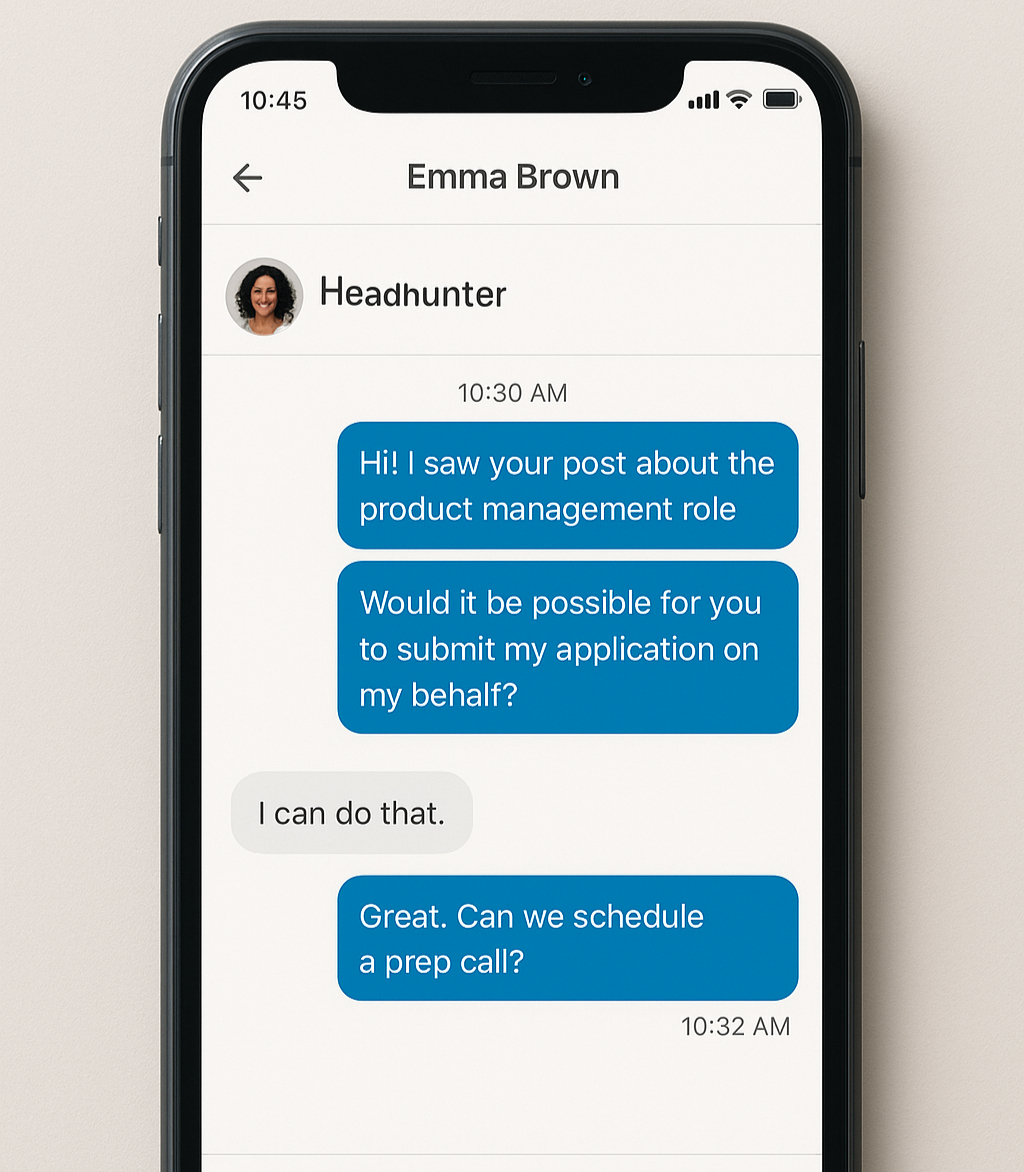
When Recruiters Actually Submit Job Application On Your Behalf, And Why It Happens
It’s not unusual for recruiters, especially those working for third-party agencies, to submit job applications on behalf of candidates and offer a “prep call” before interviews. In many cases, this hands-on approach can be beneficial. But before you lean into it, it’s important to understand why they’re doing it, what control you retain, and what to watch out for.
Why recruiters take the reins
They know what companies expect. Recruiters understand how hiring managers want to see resumes, keywords, and supporting documents formatted. They often can submit a clean, polished application that matches a company’s tracking system preferences.
It helps them earn credit (and commission). When they’re the ones who submit your application, the company knows the candidate came through their pipeline, which matters to them financially or contractually.
It speeds up the process. Recruiters work on volume and often can act quickly, a plus if you’re juggling many commitments.
It shows they care. A recruiter who invests time helping you get ready for interview is likely motivated to see you succeed. That can be a good sign of alignment and care.
Questions to Ask Before You Say Yes
Before you accept their help, it’s smart to ask:
Which version of my resume did you submit, exactly? If it isn’t your latest version (or a version you approve), get them to share it.
What did you write in your recruiter notes or summary about me? That introductory note can shape how the hiring manager sees you long before you walk into an interview.
Which role and job ID did they apply for? Who is the hiring manager? Makes sure you understand exactly what opening you’re being considered for.
Is the job posting public or a private/hidden role? Hidden roles may have different scrutiny or screening procedures, it matters to know.
What’s the interview timeline and format (phone, video, panel)? Helps you plan, prepare, and avoid surprises.
What specific skills and experience is the company prioritizing? That way, you can tailor your preparation to match what they care most about.
Are you being represented exclusively by this recruiter for this role? Because if multiple recruiters or you yourself submit, you could end up in duplicate applications.
How will feedback and next steps be communicated? Clarifies what to expect, and keeps you from being left in limbo.
Watch Out for These Red Flags
Before committing, be alert for red flags such as:
Lack of transparency - if the recruiter doesn’t share what they submitted or refuses to reveal job details.
Pressure to interview right away - especially without giving time to prepare or ask questions.
Over-promising - no recruiter can truly guarantee an offer.
Focus on fees over fit - in some cases, a recruiter might push placements more for commission than for your long-term success.
If you see any of these, don’t hesitate to push for clarity, or potentially walk away.
What Recruiter Submission Means, And What You Still Control
The submitted résumé matters. Many companies use Applicant Tracking Systems (ATS). The version the recruiter submits, with its formatting, keywords, and emphasis, can greatly affect whether you even get screened.
You still own your public profiles. Even if a recruiter submits on your behalf, your LinkedIn, GitHub (or other platforms) remain under your control.
You can control future applications. If you prefer to apply directly next time, or want to tweak things for another role, you can. Legit recruiters will generally respect that.
How to Make the Most of the Recruiter Prep Call
Treat the prep call as both a coaching session and an alignment opportunity. Use it well by:
Having a clean, updated résumé ready and ideally the same one recruiter submitted.
Preparing 2-3 strong stories that showcase impact, using the STAR method (Situation, Task, Action, Result).
Listing your own questions for the interviewer: about company culture, role expectations, career growth, etc.
Asking the recruiter for role-specific insights: What challenges does the hiring manager want to solve? What does success in 3-6 months look like?
Being authentic, using recruiter guidance where helpful, but staying true to yourself.
Should You Let a Recruiter Submit For You, or Go Solo?
It depends. For mid to senior level roles, or for competitive / niche positions, recruiter submission can give you an edge. A recruiter’s help can fast track your application, get you better visibility, and prepare you for the interview in a way you might not manage alone.
On the other hand, if you don’t trust the recruiter’s transparency, or prefer full control over how you present yourself, going solo might feel more comfortable.
In many cases, the best approach is a hybrid: let the recruiter submit this time, but ask them to share what they submitted, and ensure you’re involved in prep and decision-making every step of the way.
Want to See This in Action?
Useful Links
https://www.indeed.com/career-advice/finding-a-job/recruiting-career-pros-and-cons

Final Thoughts
Yes, having a recruiter submit your application can help. But like any collaboration, it works best when there’s openness, trust, and shared responsibility.
Ask clear questions up front.
Understand exactly what was submitted.
Own your prep and your presentation.
Stay involved through the interview and offer process.
Used thoughtfully, a recruiter’s support can be a powerful boost, not a takeover.
For more useful insights, visit our blog and follow us on LinkedIn: